The Beautiful Chaos of Elvira Shakirova
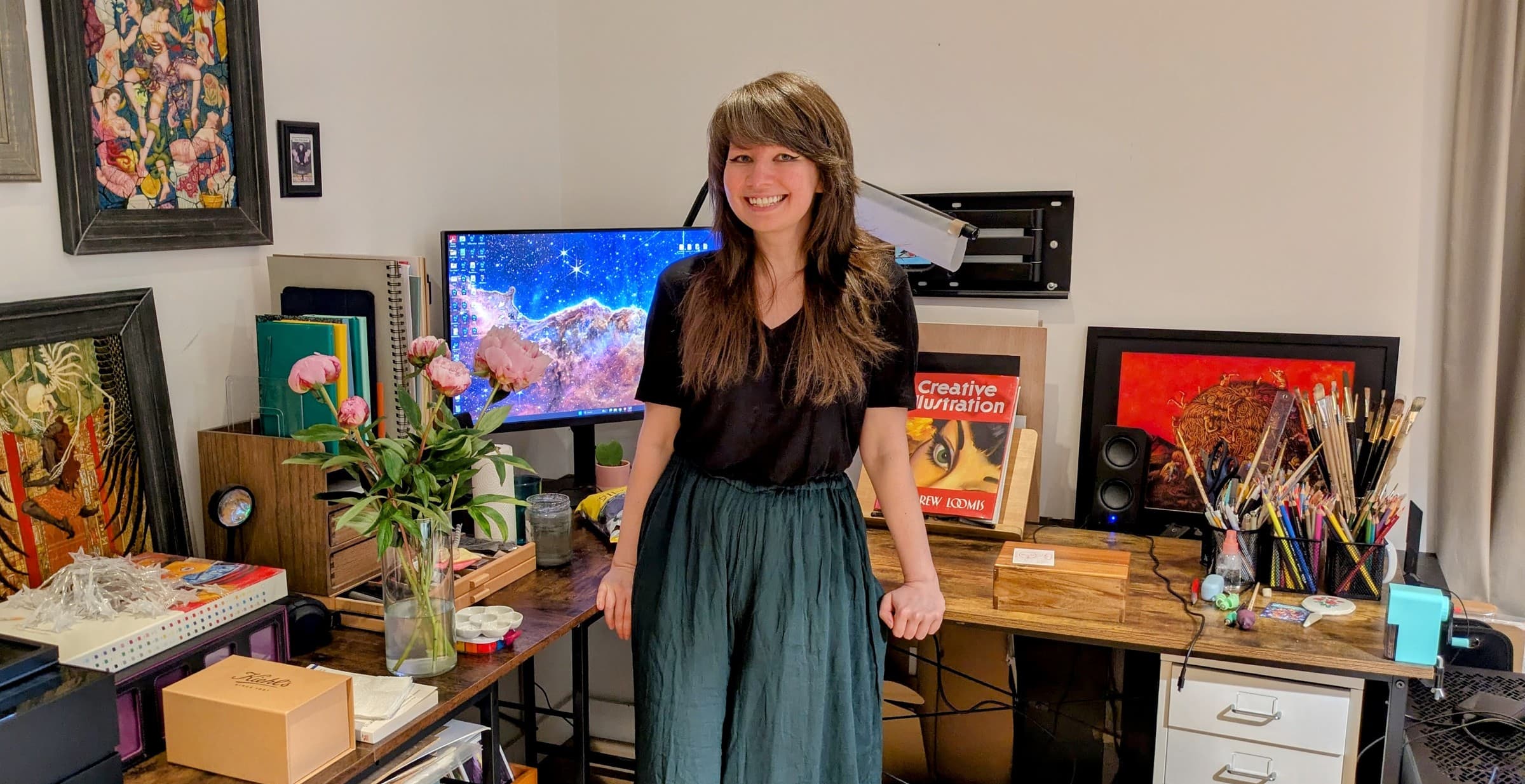
Elvira Shakirova, London, 2026
Sitting in her London flat, Elvira Shakirova’s favourite painting is on her wall: Chaoswish. A colourful, busy mosaic.
There’s chaos here, but it's not obvious.
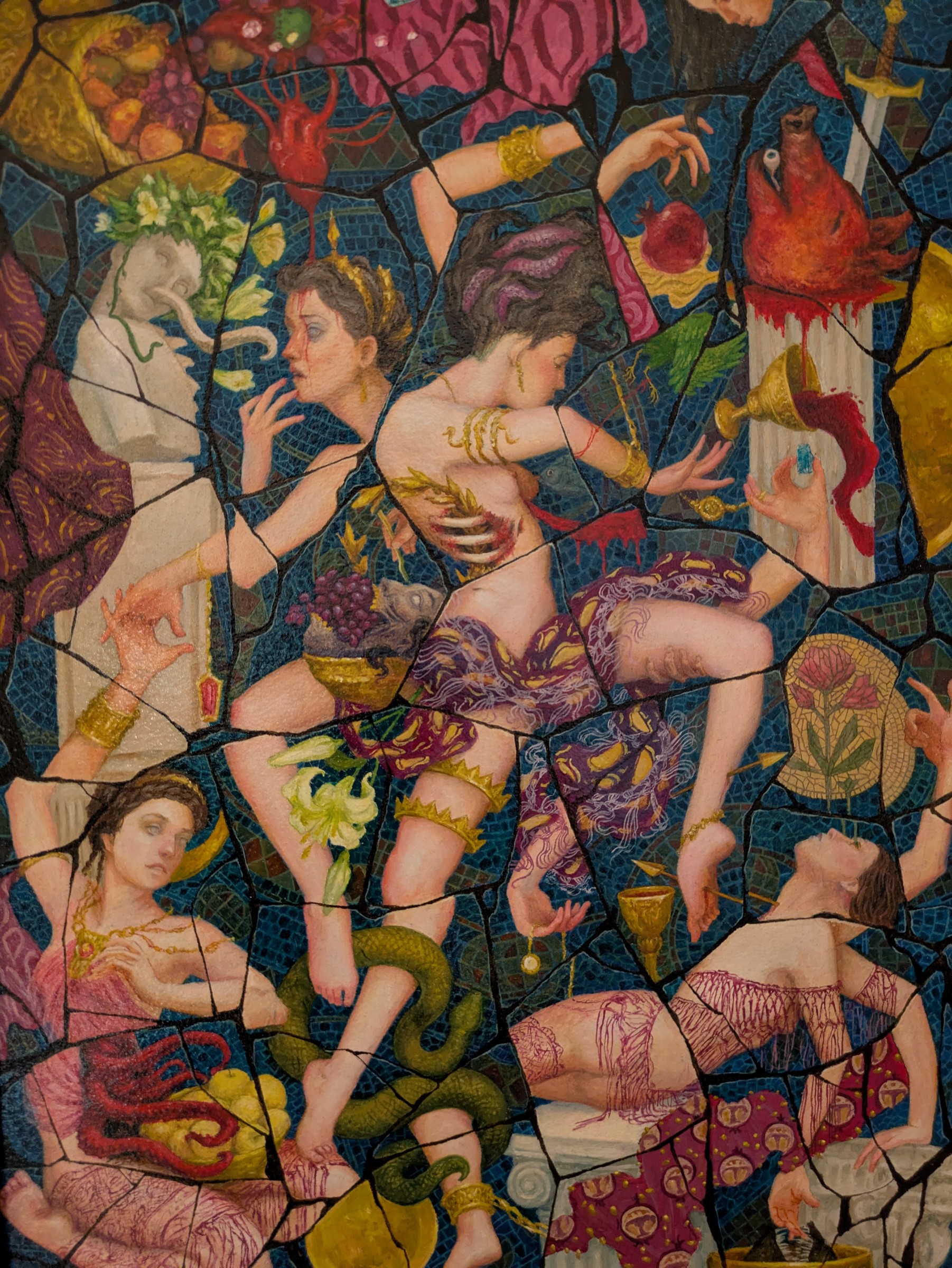
A central female figure - or multiple figures portray a sense of exuberance and joy. At least at first glance.
The deep blue background makes the light skin tones of the women come alive. It’s this composition that brings the gold, green and red highlights forward.
The more you look, the more disorder and morbidity get revealed. A chalice of wine spilled...
... and a pig’s severed head with its eye in his mouth.
There's a bleeding heart weeping over a woman’s face.
And a serpent coiling around another’s leg.
Flowers extend from one's eyes...
... and alien tentacles out of another’s stomach.
Dozens of stories live in this one spectacular painting.
Originally from Russia, Shakirova moved to the United Kingdom in 2023. She got struck by the idea of Chaoswish after days of procrastinating. “I literally had my sketchbook open, the word ‘chaos’, and nothing came to mind. I was like sitting there and thinking, okay, that's a problem.”
She usually starts with a central idea or a word on a piece of paper. She then creates a mindmap of relatable synonyms, concepts or just things she’s thought of. She then moves on to small card-sized sketches and eventually painting. It’s an idea she got from inspirational painter Sam Guay.
But for Chaoswish, it was different.
"The first sketch was basically the center of the painting itself and it came to me all at once, no other sketches, no working on ideas. It sucks because I can't even back engineer the process of it. Because I made a painting I really like but now I can't replicate the process and do another painting I really like."
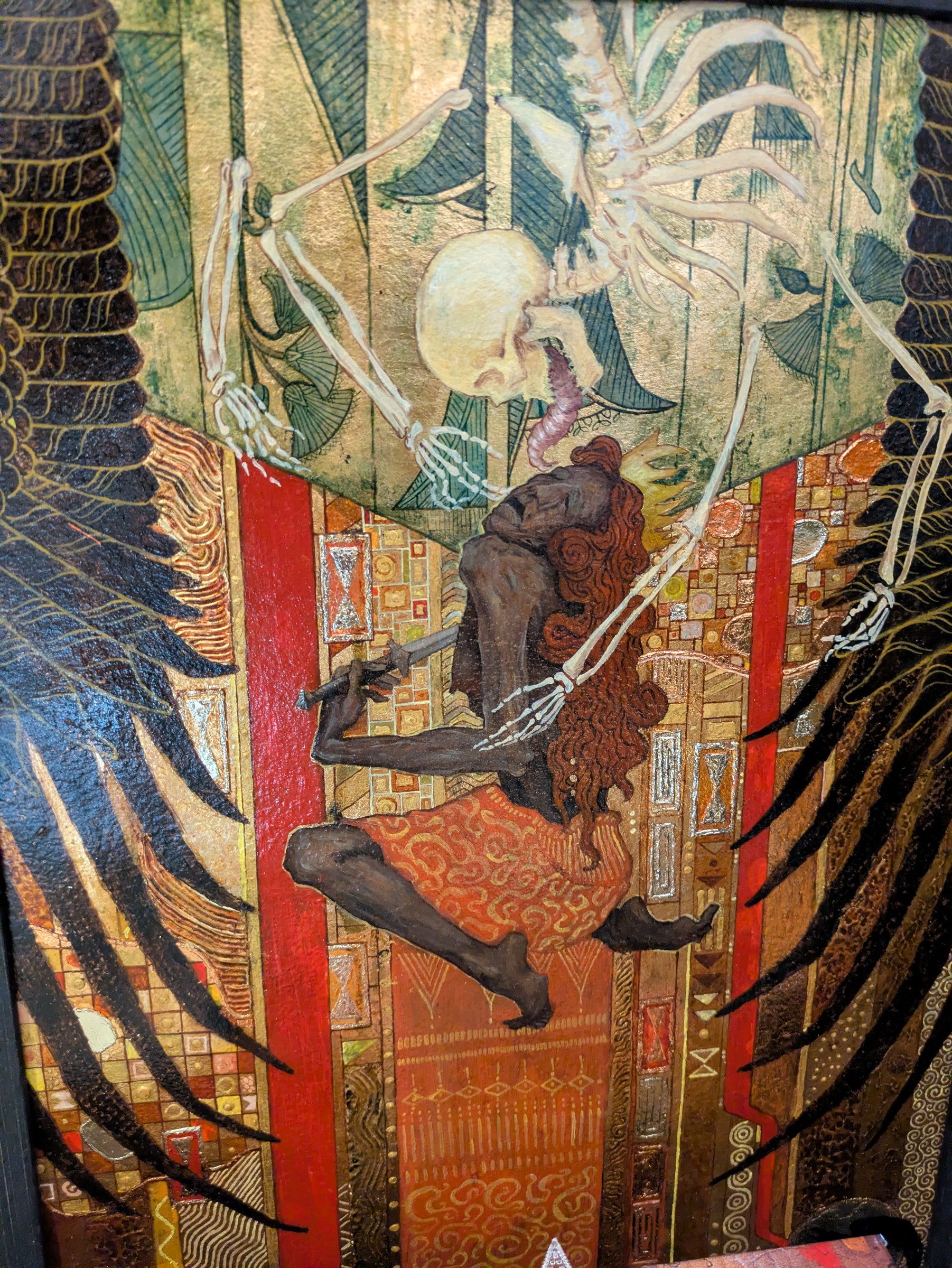
The painting is handmade and part of chaos-inspired cards for Sorcery: Contested Realm’s Gothic set, released at the end of 2025. Chaoswish is complemented by Deathwish.
A skeleton figure reaches with four arms and a long worm-like tongue towards a woman who is pushing a sword into her chest. The background has an Egyptian art vibe, with gold, red and black dominating the visual. Morbidity is front and center for Deathwish.
Besides artist Sam Guay, Shakirova is inspired by the likes of Rebecca Guay, Terese Nielsen, and Nadezda. Most of these artists are influenced by themes of fantasy, folklore or tarot, who get commissioned for collectable card games like Magic the Gathering.
“A friend described my work as Pre-Raphaelite and Klimt-esque without romance, but with more morbid curiosity,” she explains. “That’s pretty accurate actually. I can use that on my Instagram." The Pre-Raphaelite Brotherhood was a group of painters from the English 1800s renowned for romanticism and vibrancy. Gustav Klimt, on the other hand, is an Austrian artist known for his Art Nouveau style often portraying paintings of women.
She started working on painting Magic the Gathering alters many years ago. She then built up a following on Facebook and was eventually approached by Erik’s Curiosa, the company behind Sorcery.
In 2024, Shakirova’s set for Gilded Knights was released as part of Sorcery’s Arthurian Legends set. These Gilded Knights cards are rare editions of the set, with one card selling for well over USD 1,000 on eBay at the time of writing.
The initial idea behind the Gilded Knights was inspired by Edward Austin Abbey paintings. The figures in his work are deeply engaged with one another, giving each piece the dynamic feel of a scene captured mid-action.
“They’re in the Boston Library. He painted these really large canvases with a whole crowd of people,” she says. “And I thought how cool would it be if I painted like the longest painting and cut it in ten pieces and each would be a card.”
She recalls a teacher from her first year who used to encourage students not to paint just the objects, but paint relationships between them. “Paint a story,” he used to say.
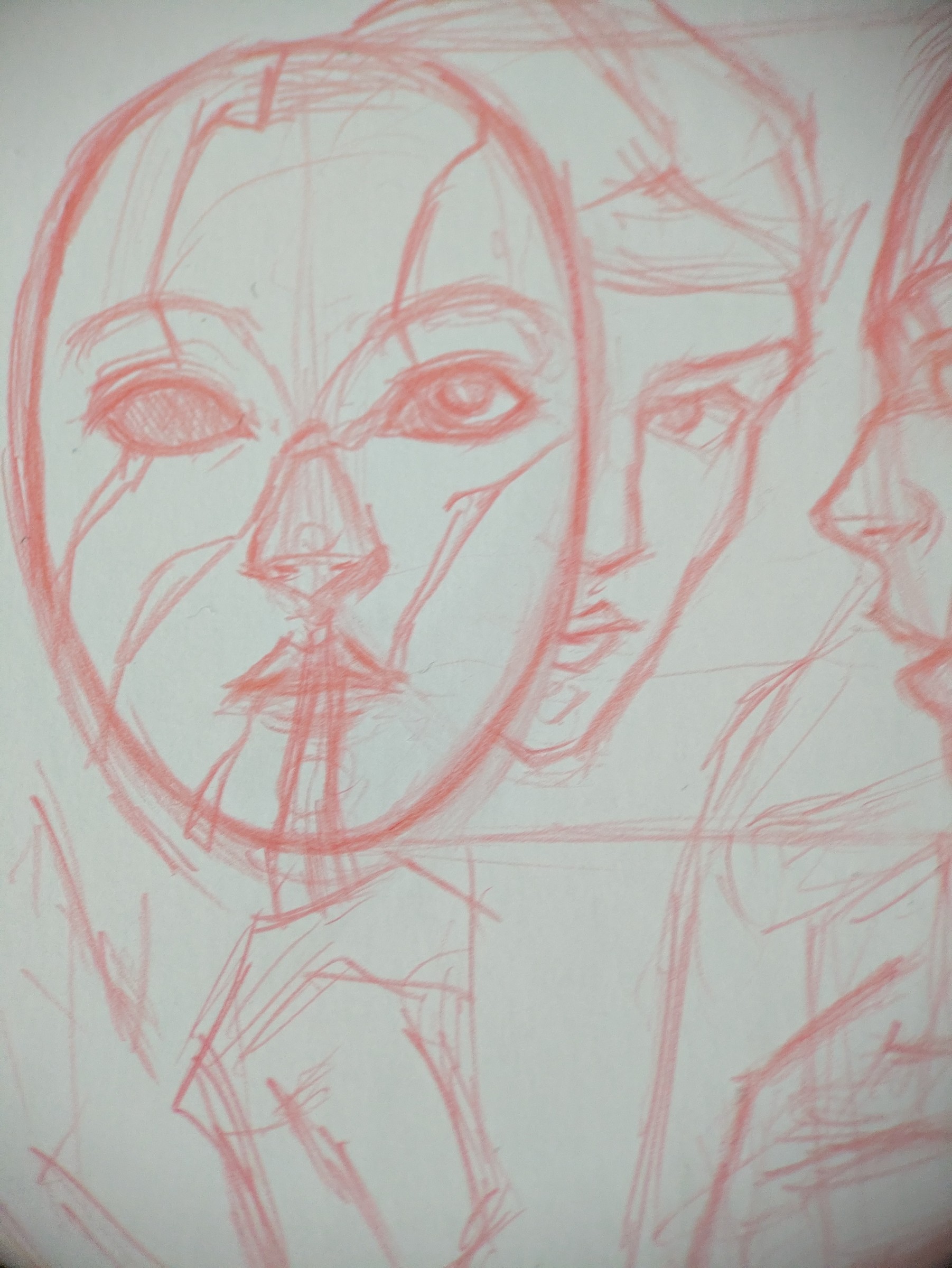
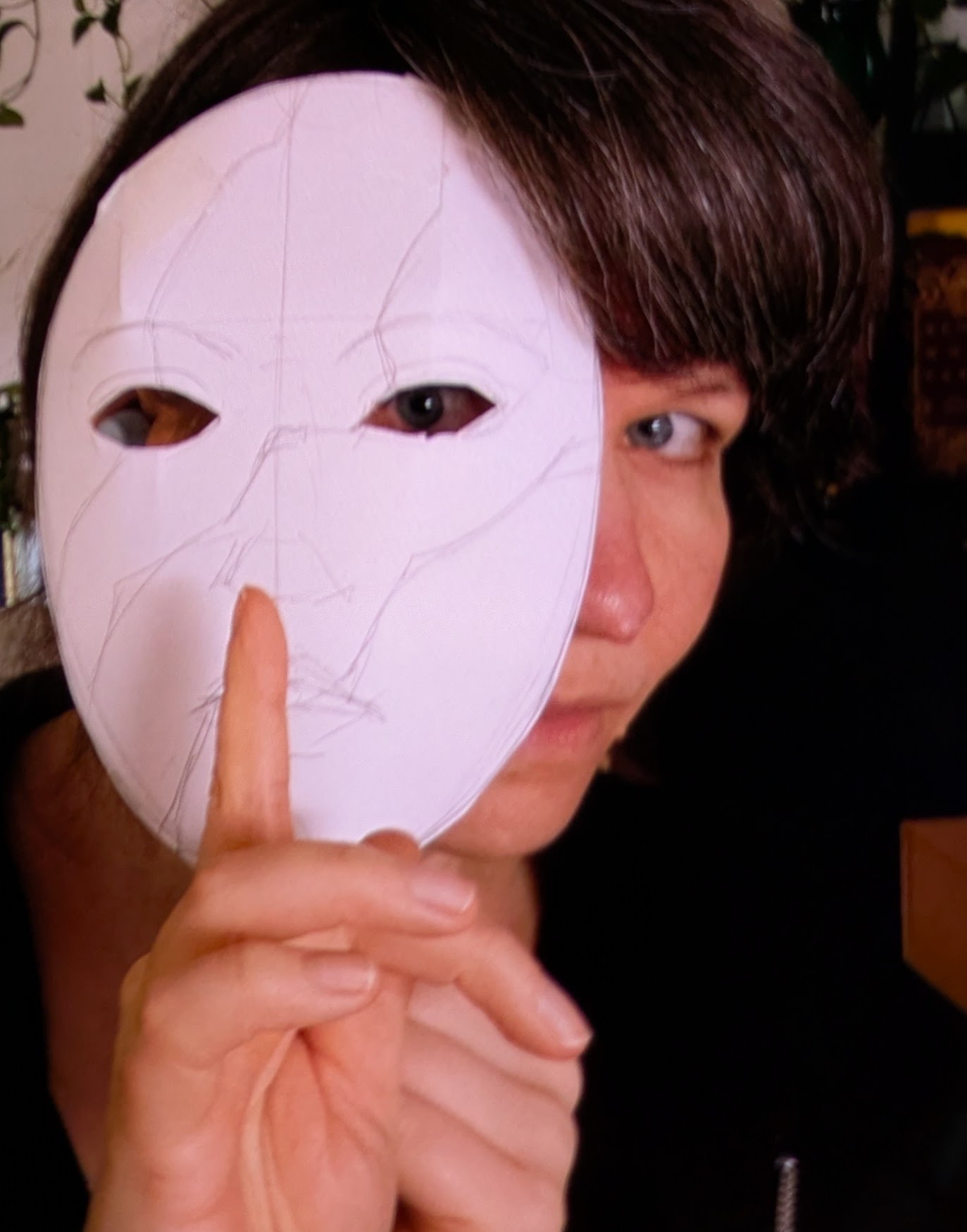
This idea helps her mask some of the technical insecurities she gets when she paints. “As an artist, when you have this idea in your head - it looks great. And when you paint it, it gets worse and worse. By the end, when I finish the painting, I can't look at it. It's so ugly. To fight that feeling, I always weave distractions into the canvas - intricate stories and tiny details.”
Today, she primarily paints for Sorcery.
“I really want to have energy to do my own projects,” Shakirova explains. “I had this idea of my own tarot deck for like a few years now and I only did three cards of the whole set.”
Sorcery commissions come with a stable income she can rely on. With Sorcery commissions, artists own their original artwork that gets printed on the cards. They hold the copyright to the pieces they create for the game. This contrasts with many other card games where the publishing company absorbs the rights to the art.
This model enables artists like Shakirova to sell her original paintings, sketches, and artist proofs directly to collectors.
“Collectors are just spoiling the artists so much,” explains Shakirova, who uses mostly oils and acrylics. She agrees that there's a massive demand for human-made things in the wake of generative AI art flooding our daily lives.
“There’s a larger group of people who have a new appreciation for handcrafted stuff. So not just paintings or illustrations, but anything handcrafted. ‘Made by humans’ has become a slogan for a lot of companies, even. There’s a resurgence and it's really heartwarming.”
With a fiercely supportive community of collectors behind her and the creative freedom provided by Sorcery, Shakirova has built a foundation that thrives on that exact handcrafted authenticity. We're eagerly awaiting to see how Shakirova contributes to the next Sorcery set, which is to be announced in December 2026.
Sign up to the Haystack Newsletter.
Keep reading
A year in a drawer
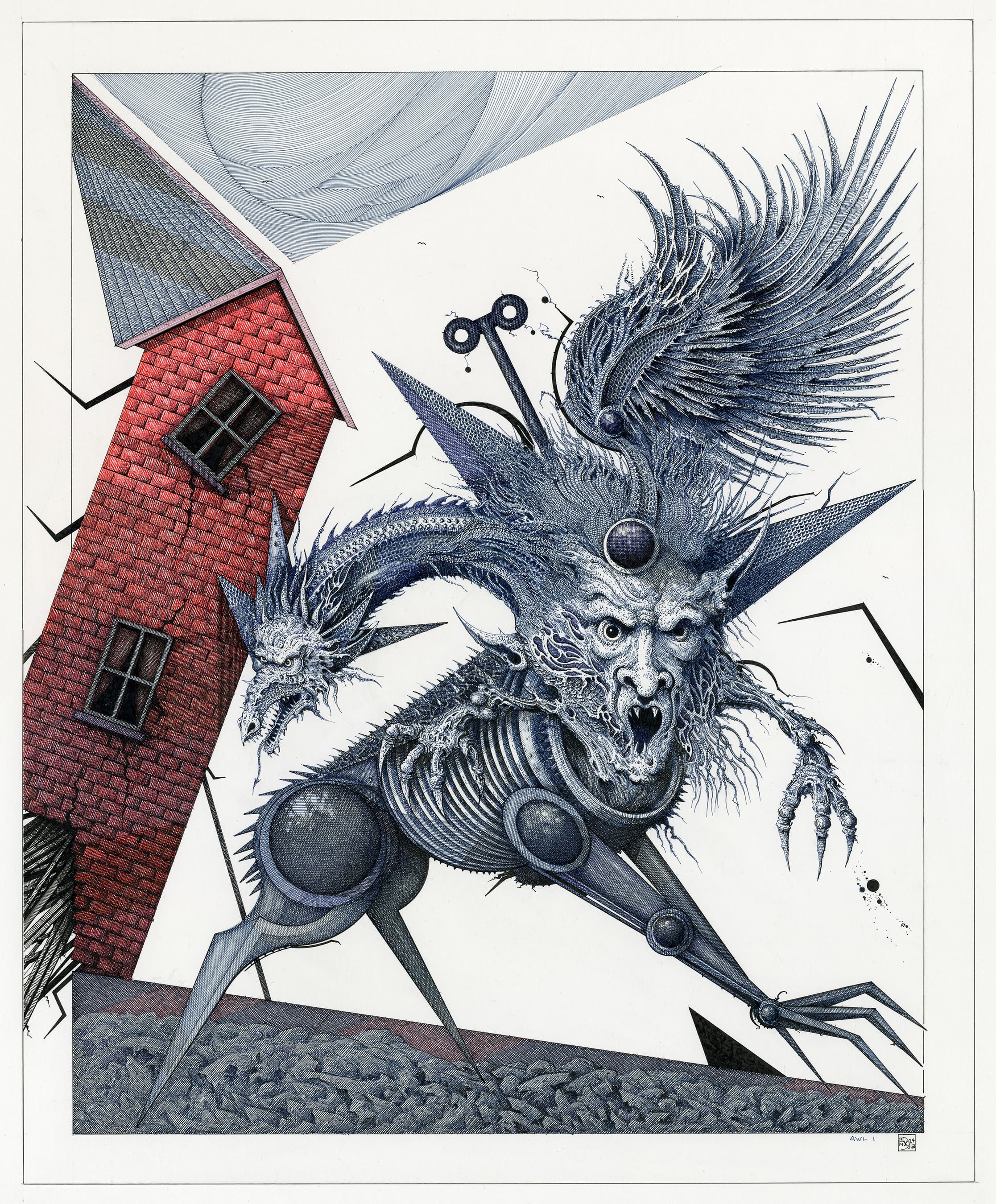
Ian Miller couldn't finish a dragon, so he put its head in a drawer for a year. Awl 1 is what came out.
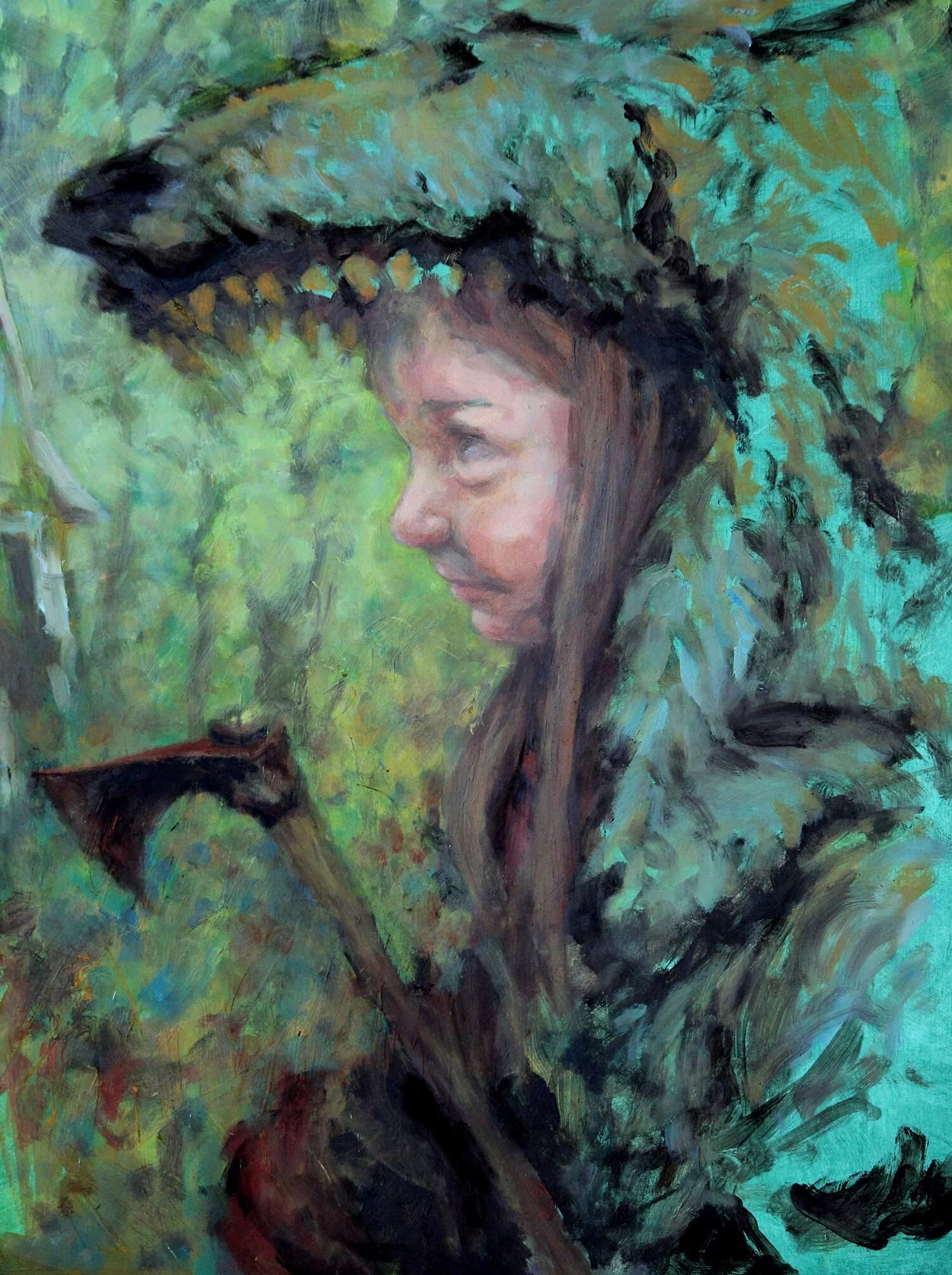
Drew Tucker on Folklore, Family, and the Living Canvas
Drew Tucker builds his fantasy art directly out of his own life. From 1990s scanner constraints to family folklore and sympathetic magic, Tucker reflects on three decades of letting the paint have a voice.